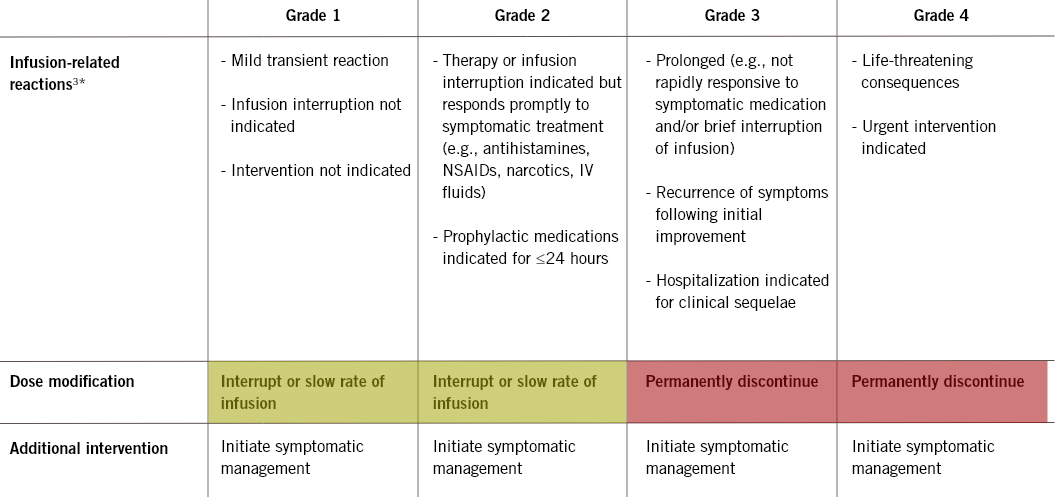
Patients with advanced CSCC (N=163)

a Rash is a composite term that includes rash maculo-papular,
rash, dermatitis, rash generalized, dermatitis bullous,
drug eruption, erythema, rash
erythematous, rash macular, rash pruritic, and skin reaction.
b Pruritus is a composite term that includes pruritus and pruritus allergic.
c Diarrhea is a composite term that includes diarrhea and colitis.
d Fatigue is a composite term that includes fatigue and asthenia.
Adapted from LIBTAYO Product Monograph1
Patients with advanced solid malignancies including advanced CSCC† (N=534)
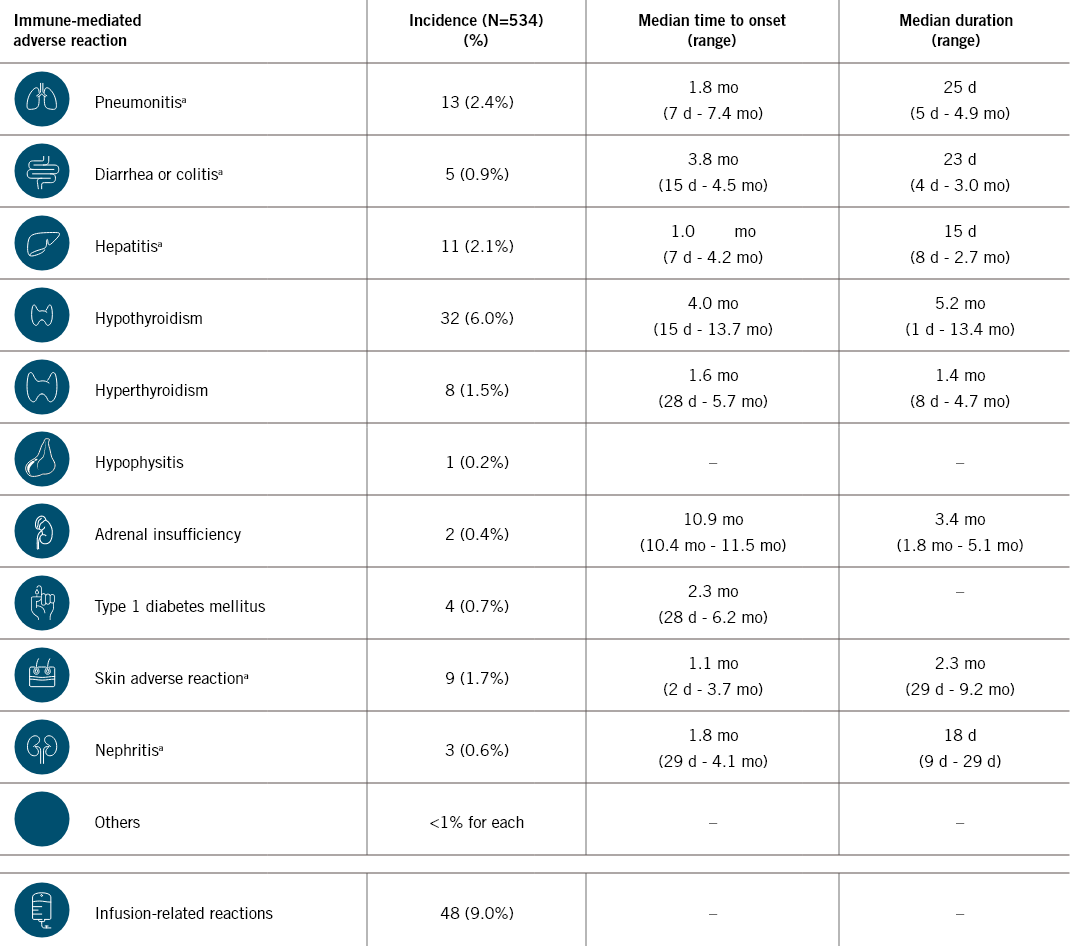
a Defined as requiring use of corticosteroids with no clear alternate etiology, including fatal cases
d: days; mo: months.
Adapted from LIBTAYO Product Monograph1
† The uncontrolled clinical trials included 98 patients with metastatic CSCC, 65 patients with locally advanced CSCC and 371 patients with other advanced solid malignancies. LIBTAYO is not indicated for other solid tumour malignancies.
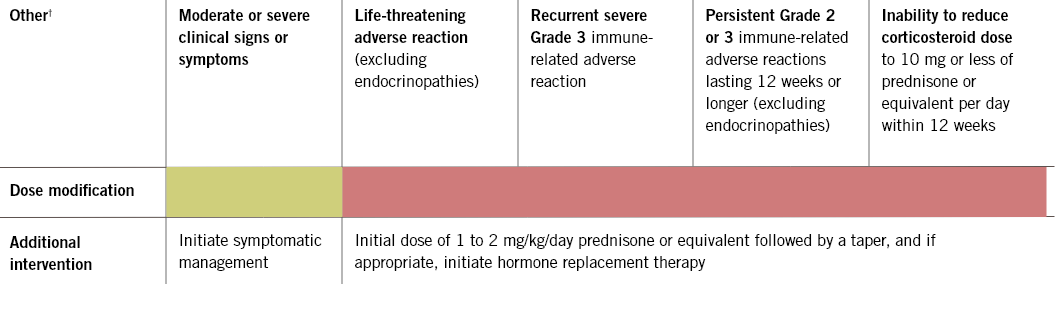
Other immune-related adverse reactions include, but are not limited
to:1
meningitis, paraneoplastic encephalomyelitis, arthritis,
Guillain-Barre syndrome, encephalitis, chronic inflammatory
demyelinating polyradiculoneuropathy, central nervous system
inflammation, autoimmune myocarditis, immune thrombocytopenic
purpura, myalgia, Sjogren’s syndrome, vasculitis, and myasthenia
gravis.
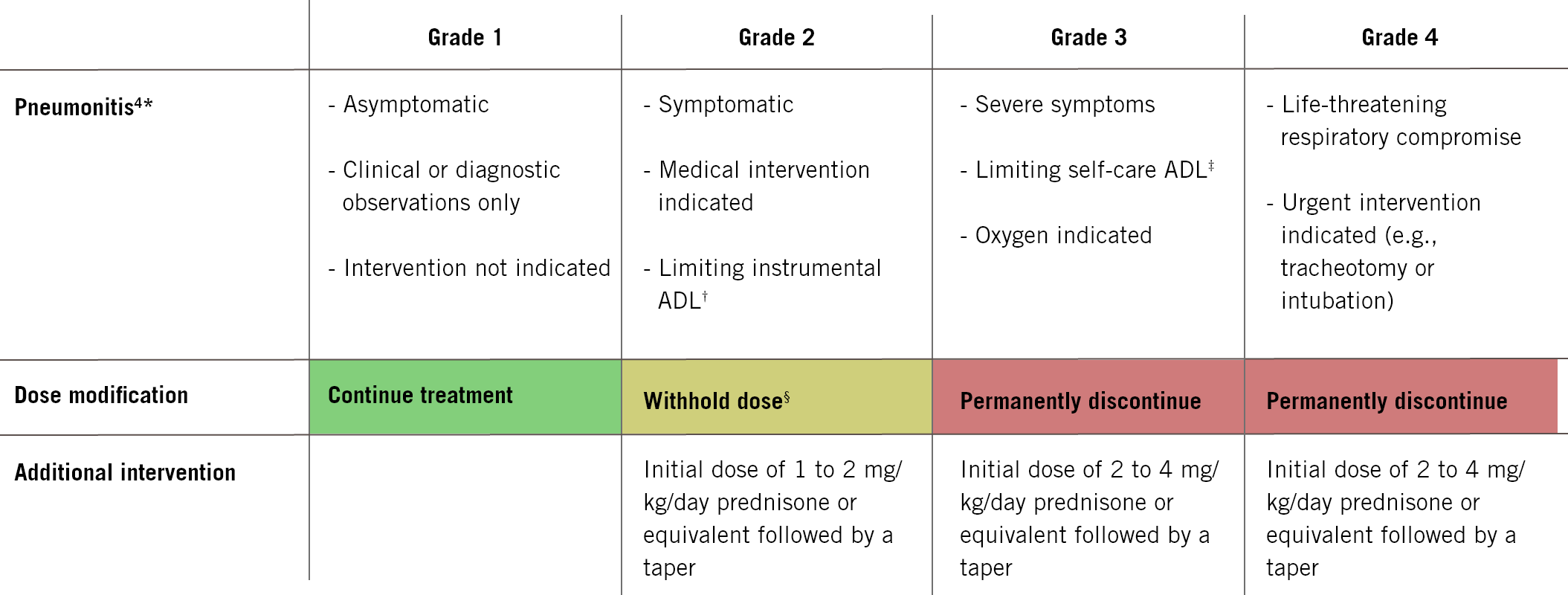
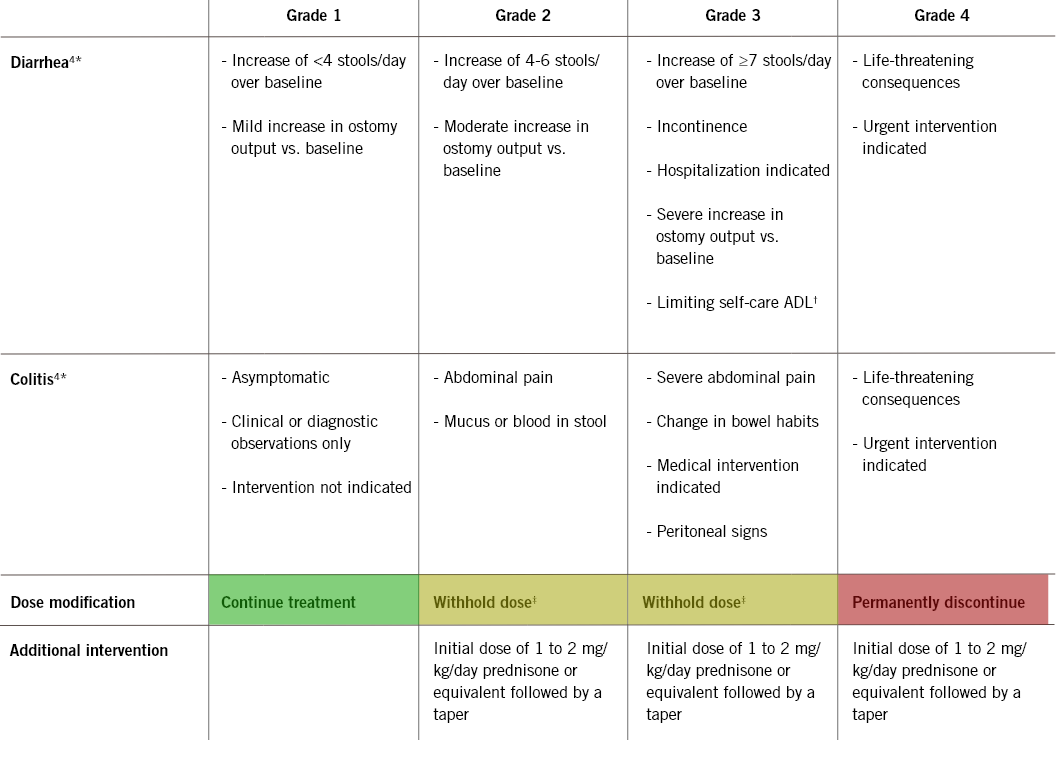
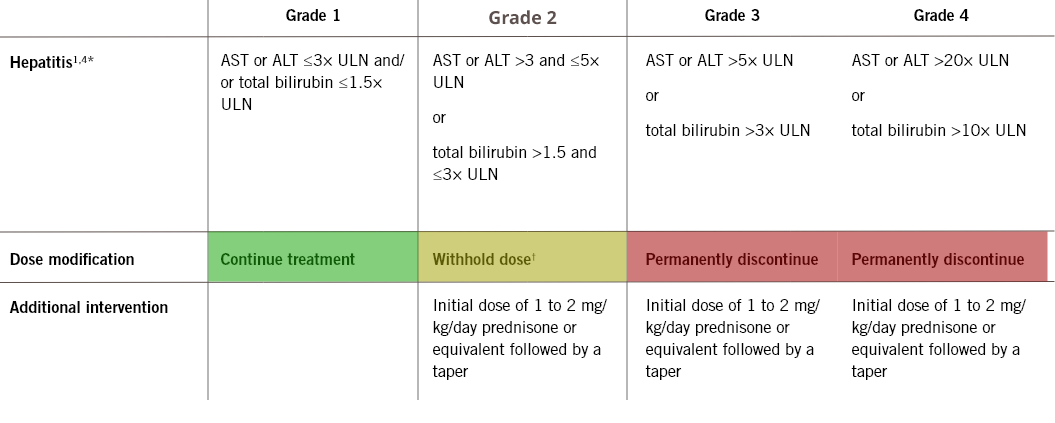
Cases of solid organ transplant rejection, myositis, and graft-versus-host disease in association with allogeneic hematopoietic stem cell transplant have been reported in the postmarketing setting with LIBTAYO; immune-related adverse reactions affecting more than one body system can occur simultaneously.
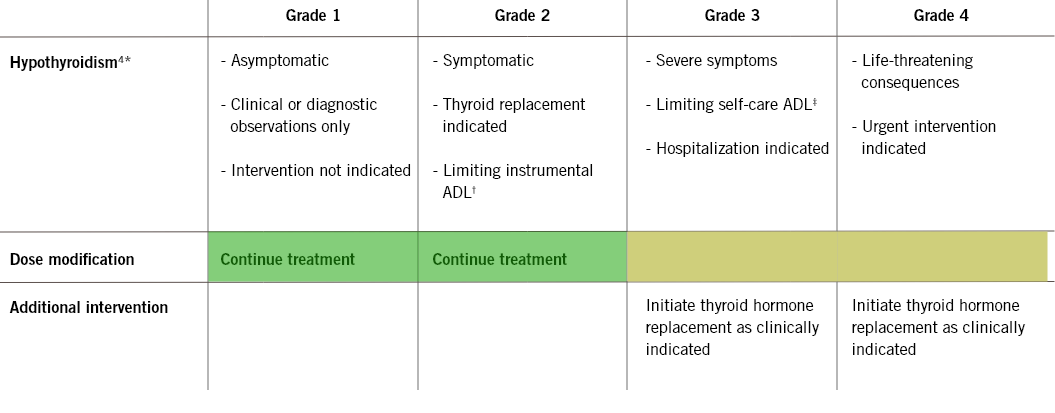
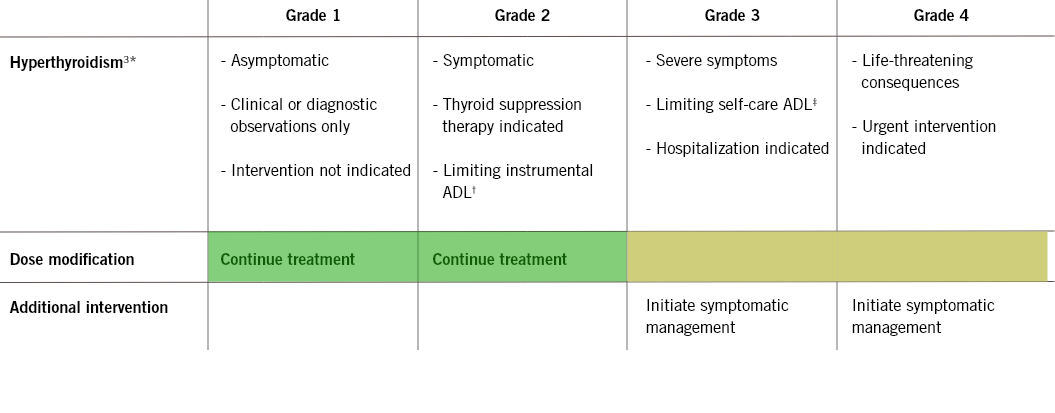
The most common immune-related adverse reactions were hypothyroidism (6.0%), pneumonitis (2.4%), hepatitis (2.1%), skin reactions (1.7%), and hyperthyroidism (1.5%)

Learn the details behind Study 1423 and Study 1540, two clinical trials used to evaluate the efficacy and safety profile of LIBTAYO.
Learn more
Explore the efficacy profile of LIBTAYO, including cases seen from the trials.
Learn more